Phosphatidylcholine, Explained to Two Different Buyers
A saturated mechanism claim — "supports brain function, liver health, and cell membranes" — repeated nearly verbatim across every competitor in the category. Two funnels, two awareness levels, one job: make the same ingredient feel like a different decision depending on who's reading.
Spec project — created as a portfolio case study, not live client work.
Funnel 1
Seed-oil paradox / structural carryover — for the core, product-aware audience
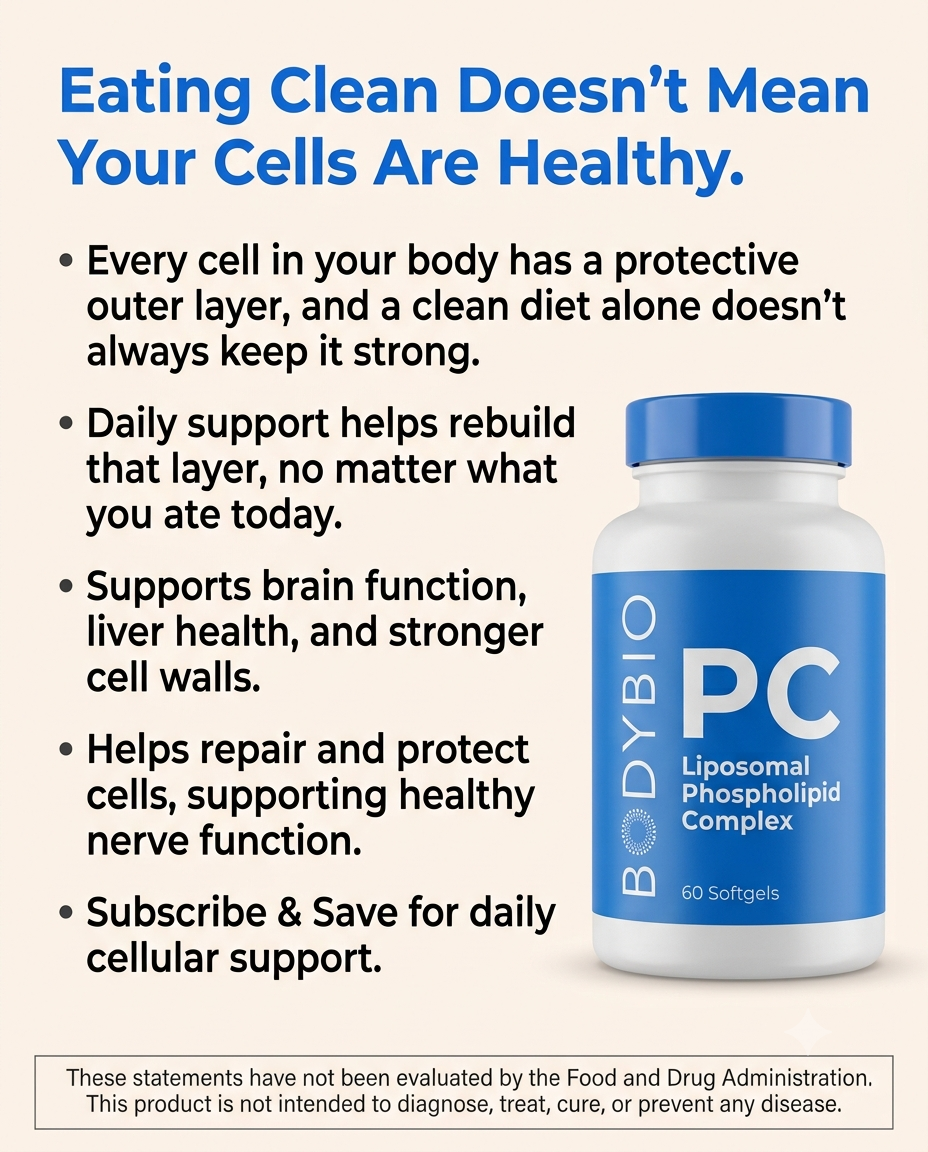
View ad copy
Funnel 2
Practitioner narrative / brain fog — for the emerging, problem-aware audience
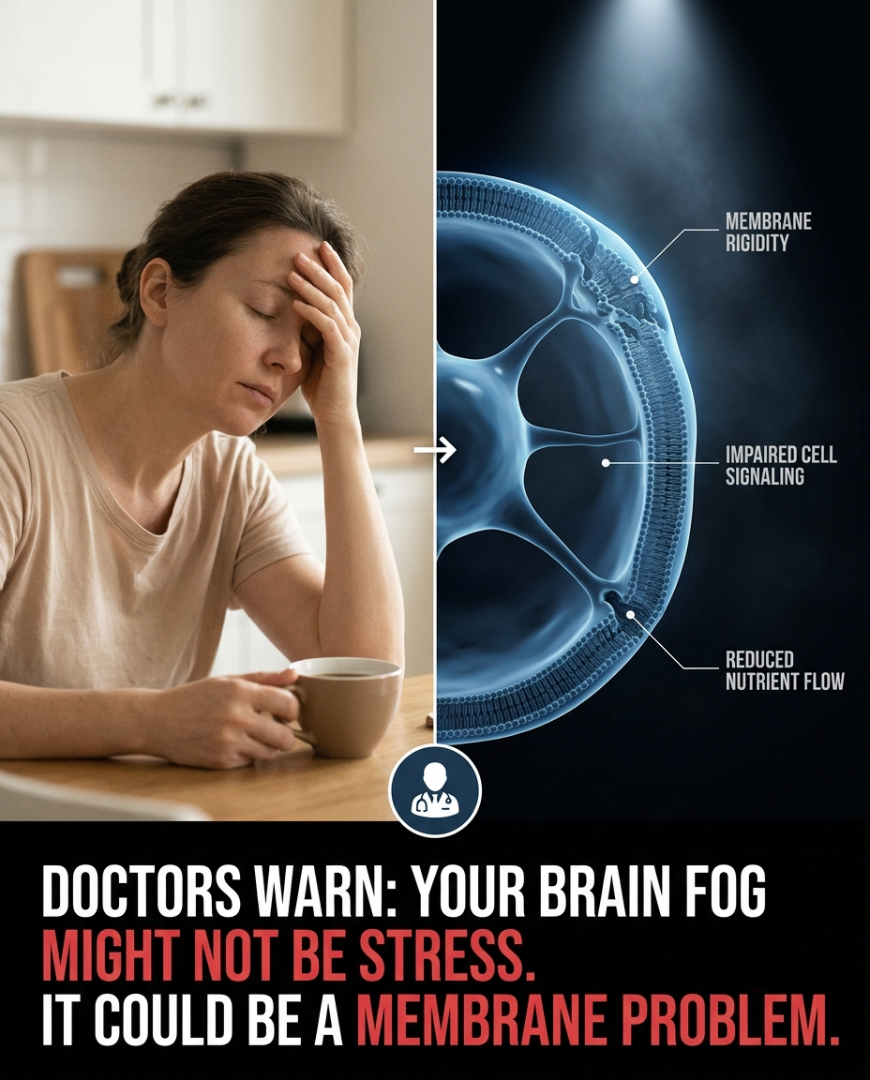
View ad copy
The strategy behind it
The research split the market before any copy got written, and that split is the entire reason this became two funnels instead of one. A smaller, higher-LTV core audience — Wahls Protocol, ME/CFS, mold-illness, biohacker communities — already knows what phosphatidylcholine is and is comparing brands on extraction and purity. A much larger, faster-growing audience is only just encountering the ingredient through brain-fog and cell-membrane content on TikTok, and doesn't yet know PC exists as a category. Writing one funnel to serve both would have meant either under-explaining to the core audience or over-explaining to the emerging one. So each funnel got its own job.
Funnel 1 exists because "supports brain function, liver health, and cell membranes" is dead on arrival with the core audience — every competitor from Seeking Health to Double Wood to Life Extension runs some version of that exact phrase, so it reads as noise, not differentiation. The research surfaced the one tension almost nobody in the category was resolving: this audience is simultaneously anti-seed-oil and buying a soy- or sunflower-lecithin-derived product, and no competitor addresses that contradiction with actual proof. The lander doesn't argue the buyer out of seed-oil skepticism, it agrees with it, then narrows the claim to something specific and checkable — structural carryover, the percentage of phospholipid that survives extraction intact — and gives that concept a name, a comparison bar, and a reason the cheap bottle and the expensive bottle can fail for the identical reason. That's the difference between a brand claiming to be better and a brand explaining exactly what "better" is measuring.
Funnel 2 exists because the emerging audience doesn't have an extraction objection yet — it doesn't know what extraction is. It has a symptom. So the entry point is the symptom, not the ingredient: a woman losing words mid-sentence, rereading the same paragraph, waking up tired after eight hours of sleep. The ad and listicle both build toward the same specific moment pulled straight from the pain-point research — a mother unable to hold a long-division problem in her head long enough to help her son with it — because a single concrete scene does more to make a reader think "that's me" than any list of symptoms could. Naming the ingredient only happens after the fog has already been made to feel physical and specific, at the point where "there's a fat responsible for rebuilding that structure" lands as relief instead of a sales pitch.
Both funnels lean on the same lever for different reasons: practitioner trust. The research was explicit that this category has been burned by conventional medicine and responds more to a doctor who "gets it" than to any ingredient claim on its own. Funnel 1 uses three separate practitioner quotes as proof points inside a mechanism argument. Funnel 2 goes further and puts the entire piece in a practitioner's voice, byline and all. That choice created a real constraint worth naming: a synthetic photo standing in for a named, credentialed practitioner is exactly the kind of thing that gets a page flagged for misrepresentation under FTC and platform ad-review standards, not just a style call. The byline in this case study uses a non-photographic mark instead of an AI-generated headshot, which is the version of this funnel that would actually be safe to run.
The price objection got handled the same way in both — head-on, with math, instead of avoided. The advertorial adds up what a buyer likely already spent moving from cheap lecithin to mid-tier to premium PC without ever getting an answer to the extraction question, then shows the offer isn't the most expensive option, it's the only one that discloses the process behind the number. That's a direct answer to the "why not just grab the $15 bottle" objection the research flagged as one of the two loudest post-purchase complaints in the category, addressed before the sale instead of after it.
Brand brief — BodyBio PC
About the brand
BodyBio makes PC, a liposomal phosphatidylcholine softgel supplement, and has focused on this single ingredient for over 35 years as a family-owned company. The category is well-established, not emerging — the mechanism claim itself (cell membrane repair) has been public for a decade, largely through BodyBio's own long-running partnership with Dr. Terry Wahls. That maturity is exactly why generic mechanism language no longer differentiates, and why the brand's actual advantage — sourcing, extraction method, practitioner trust — had to be pulled forward into the claim itself.
Target market
Two distinct buyers inside the same product line. One already knows what phosphatidylcholine is, has likely tried a cheaper version, and is deciding between brands on the strength of process and proof. The other doesn't know the ingredient exists yet and is arriving through a symptom — brain fog, mental fatigue, feeling scattered — with no category vocabulary at all. Neither buyer is well served by a single funnel built for the other.
Product
BodyBio PC, 1,300mg of cold-pressed, solvent-free, non-GMO sunflower lecithin-derived phosphatidylcholine per serving, delivered in a liposomal softgel. 60 softgels per bottle, $140 at full price or $119 through Subscribe & Save.
Avatar
Funnel 1: The self-directed health investigator, 30–55, already three-plus years into an anti-seed-oil, clean-label lifestyle, already supplementing, already skeptical of vague brand marketing claims. She isn't asking whether phosphatidylcholine works. She's asking whether the bottle in her hand still has it intact.
Funnel 2: A woman in the same age range who hasn't named her symptom yet. Conventional bloodwork came back normal, so brain fog got filed under stress, age, or "just being busy." She's not comparing extraction methods — she's looking for a reason to believe what she's feeling has a physical explanation at all.
Funnel stage
Cold traffic, Meta in-feed, split by market awareness rather than by demographic — Funnel 1 targets Product-Aware audiences already comparing PC brands, Funnel 2 targets Problem/Solution-Aware audiences who haven't yet connected their symptom to the category.
Assets produced
Full brand and market research file (awareness mapping, competitive landscape, avatar, ad creative brief), 2 static ad concepts with full-length ad copy, 1 fully designed long-form advertorial landing page, 1 fully designed listicle landing page, non-photographic byline mark in place of an AI-generated practitioner headshot to avoid misrepresentation risk.